Alright, I am honest about it. Having a crush can be both the best and worst feeling in the world. You check your phone every five minutes. You or even me hoping for a notification. When we finally get one, we spend twenty minutes overthinking a reply. I know I’m not wrong.
That’s why I have crafted paragraphs to send to your crush. Being friends at one stage, then ready to risk it all. But unable to find the right words to confess. You don’t want to come on too strong. But also don’t want to stay in the friend zone forever.
These are the best sweet, flirty, and brave paragraphs to check out. They will finally let them know how you feel.
A paragraph filled with cuteness for the one you have a crush on matters more than gestures. The following paragraphs are crafted to reflect small things you notice but cannot say out loud.
I don’t need your whole attention. Just the version of it that shows up when I least expect it—like a good song I didn’t ask for but needed. What’s cute? The humility of wanting small, real moments instead of constant validation.
You laugh like you forgot someone was listening. That’s my favorite thing about you. What’s cute? Noticing an unguarded, natural habit no one else mentions.
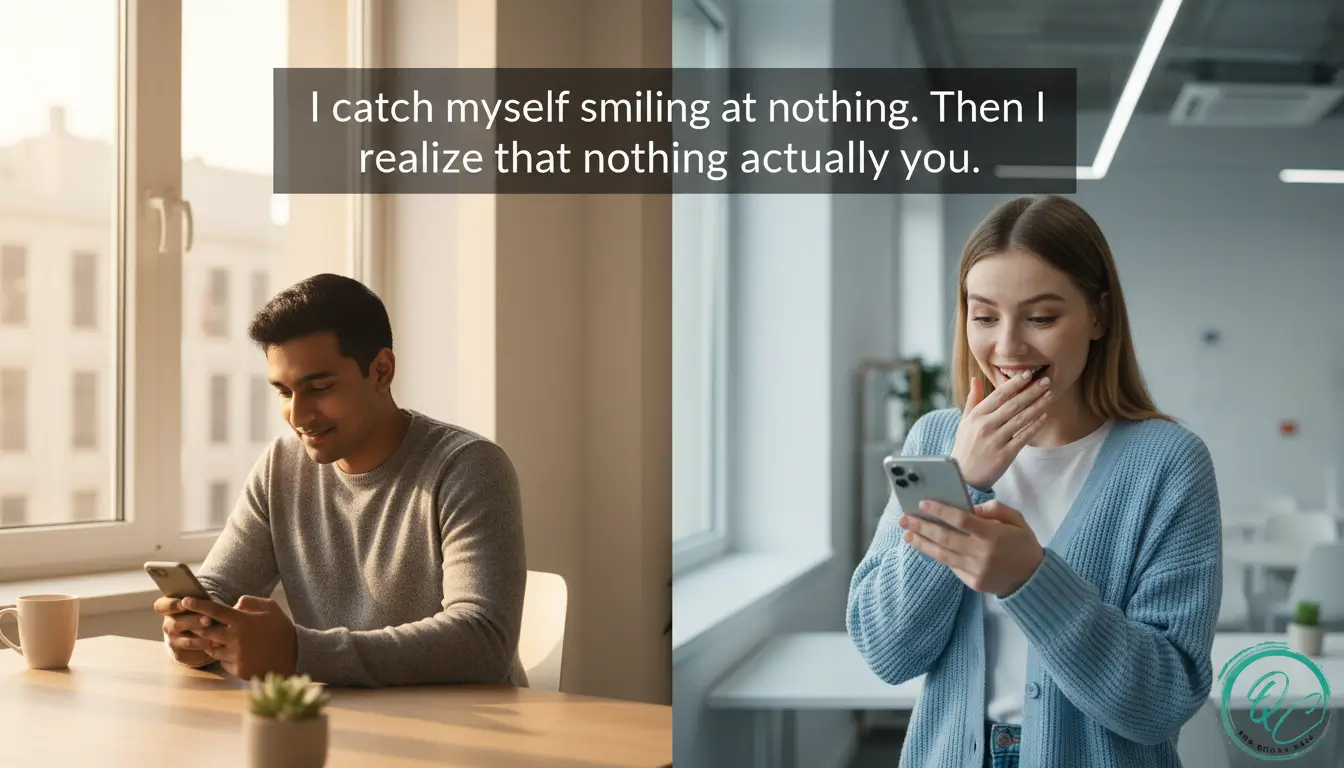
I catch myself smiling at nothing. Then I realize that nothing is actually you. What’s cute? The honesty of internal joy leaks out without permission.
You make ordinary days feel slightly dangerous—in the best way. Like I’m about to accidentally say something real. What’s cute? Associating safety with emotional risk, not chaos.
I like that you don’t try to be memorable. That’s exactly why I remember everything. What’s cute? Praising effortlessness without romanticizing aloofness.
If my brain had a favorite thought, it would be the one where you’re just being yourself across the room. What’s cute? Elevating mundane presence over dramatic gestures.
You’re not the plot of my story. You’re the quiet chapter I keep rereading. What’s cute? Assigning deep value without possession or pressure.
I didn’t plan to notice you this much. But here we are, and here you are, and I’m not sorry. What’s cute? Owning accidental feelings without apology or over-explanation.
Sometimes I reimagine our last conversation just to hear how you said my name. What’s cute? Emotional replaying that’s tender, not obsessive.
You have this quiet way of making silence feel like an answer I actually like. What’s cute? Reframing awkwardness as intimacy.
I don’t need you to feel the same way. I just wanted to stop pretending I don’t smile more when you’re around. What’s cute? Honesty without expectation—rare and safe.
You’re the kind of person who makes “how was your day” feel like a genuine question again. What’s cute? Reviving small talk into real care.
I like that you’re not trying to be liked. It makes liking you feel more like a choice than a reaction. What’s cute? Respecting authenticity over performance.
If I sent you this, it’s not because I expect anything. It’s because keeping it in felt heavier than saying it. What’s cute? Emotional courage without emotional debt.
You don’t complete me. You just make being myself feel less like a solo act. What’s cute? Healthy attachment wrapped in warmth, not dependency.
Want to make her afternoon extra special? Explore our heartfelt collection of
romantic good afternoon paragraphs for
to brighten her day and make her feel truly cherished.
2. Flirty Paragraphs to Send Your Crush
Flirting is not about playing with someone’s feelings. It’s about creating a small and playful environment that makes your crusf feel safe. The following paragraphs are crafted to make him feel curious.
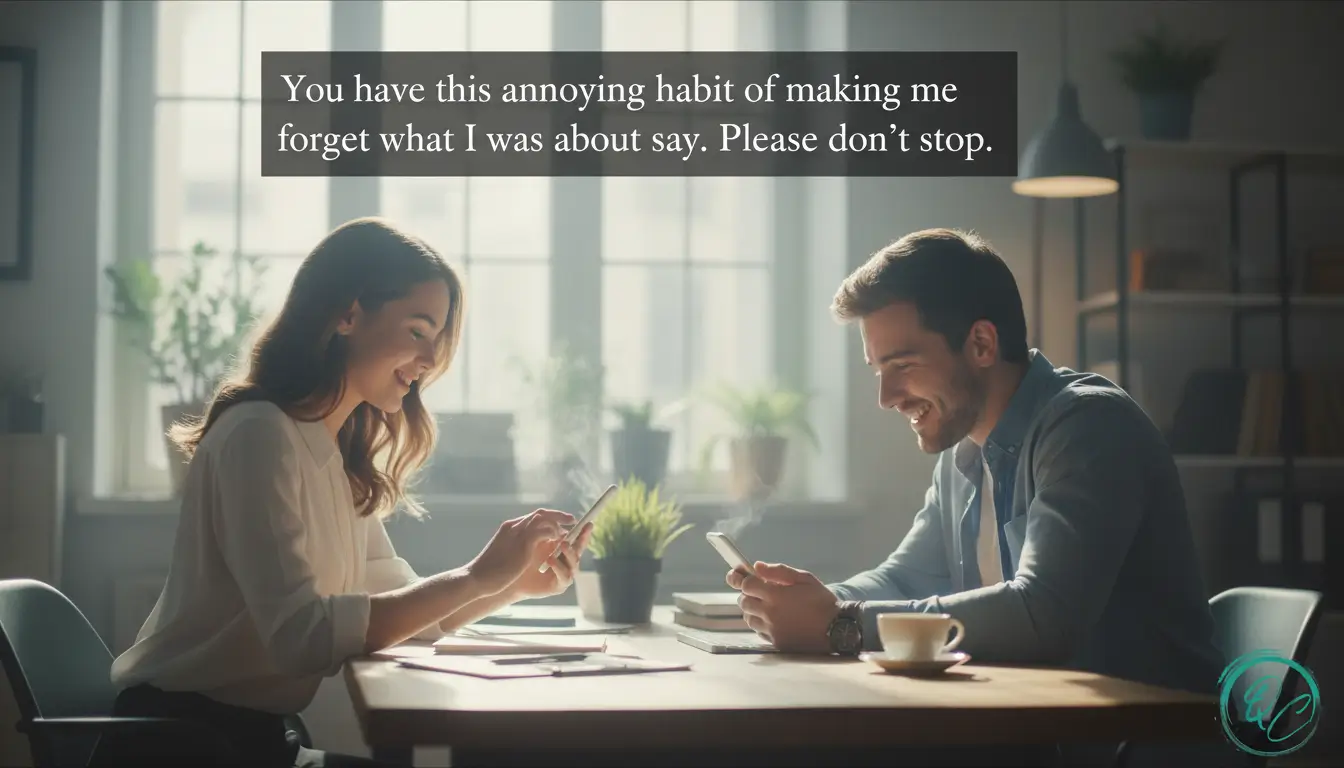
“You have this annoying habit of making me forget what I was about to say. Please don’t stop.” How does it flirt? Playful blame that secretly praises their distracting presence.
“I’m not easy to impress. But you just raised an eyebrow and somehow did it.” How does it flirt? Compliments their effortlessness while keeping your standards high.
“If confidence is attractive, then you should probably warn people before you walk into a room.” How does it flirt? Bold exaggeration that lands as charming, not creepy.
“I don’t chase. But I might accidentally walk in your direction a little more often than necessary.” How does it flirt? Teases independence while admitting subtle interest.
“You’re exactly my type of trouble—the kind I wouldn’t explain to my friends. I’d just smile.” How does it flirt? Creates a private, inside-joke energy between you two.
“I used to think chemistry was overrated. Then you said something ordinary and my stomach disagreed.” How does it flirt? Contrasts logic with physical reaction—honest and disarming.
“You’re not my usual type. That’s the most interesting thing about you so far.” How does it flirt? Signals they’re unique without comparing them to an ex.
“I’m not sending this to be cute. I’m sending it because you should know you’re hard to ignore.” How does it flirt? Confidence wrapped in directness—zero begging energy.
“Let’s be honest—you already know you’re attractive. But do you know you’re also the reason I double-check my phone?” How does it flirt? Acknowledges their confidence while adding a vulnerable detail of your own.
“I don’t need your number. I just needed you to know I noticed you noticing me.” How does it flirt? Turns the tables playfully—flirts with awareness, not desperation.
“You have this look like you’re up to something. I’m not asking what. I’m just saying I’m curious.” How does it flirt? Leaves room for mystery while inviting them to share.
“I almost didn’t say anything. But then I realized—being quietly interested is overrated.” How does it flirt? Rewards boldness over shyness without being aggressive.
“You make it dangerously easy to want to know more. That’s either charming or suspicious. I’ll decide later.” How does it flirt? Mixes intrigue with light teasing—keeps them guessing.
“I don’t flirt with everyone. But you made the mistake of being interesting when I was paying attention.” How does it flirt? Flatters with exclusivity and spontaneity.
“You could probably talk about anything—traffic, weather, grocery lists—and I’d still lean in. That’s annoying. And true.” How does it flirt? Sweet insult structure that lands as affectionate, not rude.
Want to share your feelings in a deeper, more meaningful way? Explore our touching collection of
deep long paragraphs for him
and turn your words into something he’ll truly feel and remember.
3. Good Morning Paragraphs for My Crush
A good morning text is more than words. It’s an alarm that makes you feel quiet first, but the thoughts make you choose to share.
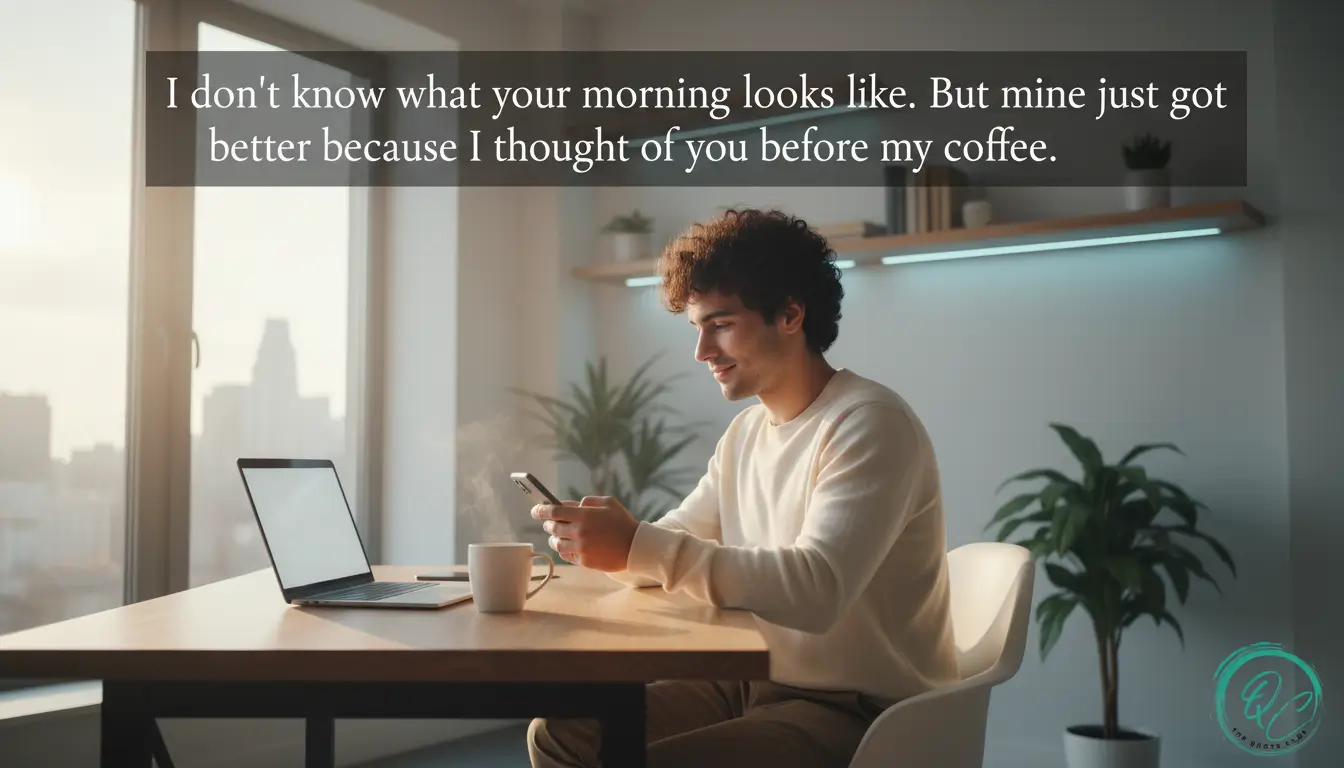
“I don’t know what your morning looks like. But mine just got better because I thought of you before my coffee.” How does it say good morning? Places them gently before daily routines—no pressure, just priority.
“You’re not the reason I woke up. But you’re definitely the reason I’m smiling before I have a reason to.” How does it say good morning? Honest without being overwhelming—morning joy, not dependency.
“Good morning isn’t a greeting for me anymore. It’s a small test of whether I can go back to my day without saying something nice to you first.” How does it say good morning? Turns a routine phrase into playful, honest tension.
“I almost sent this last night. But mornings feel more honest—so here I am, still thinking about you.” How does it say good morning? Admits restraint and timing, which feels more mature than impulsiveness.
“You don’t have to reply. I just wanted you to know that someone woke up and your name was their first clear thought.” How does it say good morning? Offers warmth without expectation—safe and rare.
“The sun is up. So is my mood. And I’m blaming you for both.” How does it say good morning? Playful accountability—light, flirty, and morning-appropriate.
“I don’t do mornings well. But somehow, imagining you starting yours makes mine feel easier.” How does it say good morning? Vulnerable without being heavy—shared softness.
“Before my brain fully wakes up, it does this thing where it checks if you’re okay. That’s how I know you matter.” How does it say good morning? Reveals subconscious care—deep but not dramatic.
“Today hasn’t asked anything of me yet. But I already decided to be in a better mood—because you exist in the same world I do.” How does it say good morning? Quiet gratitude disguised as a mindset shift.
“I don’t need a reply. I just needed to put this out there before the day gets loud: you were my first good thought.” How does it say good morning? Sends peace, not obligation—mature and warm.
“Good morning feels too small. But I’m saying it anyway, because some things don’t need to be big to be true.” How does it say good morning? Acknowledges the limits of language while still showing up.
“I hope your morning is boring. Because boring means nothing’s wrong. And that’s all I actually want for you.” How does it say good morning? Reframes “exciting” into “peaceful”—unexpected and tender.
“You’re not my reason for existing. But you are the reason my mornings feel less like a task and more like a quiet yes.” How does it say good morning? Balanced affection—attachment without losing self.
“I didn’t plan to text you. Then I yawned, thought of your laugh, and here we are.” How does it say good morning? Casual honesty—morning brain in the best way.
“Today is unmarked. No wins, no losses yet. But knowing you’re out there somewhere makes me want to show up for it.” How does it say good morning? Motivational without being preachy—gentle accountability.
4. Confession Paragraphs to Tell Your Crush “I Like You.”
When you say to your crush, “I Like You,” is aboput saying a true thing. You don’t need to make a big deal. But be true about whatever comes next.
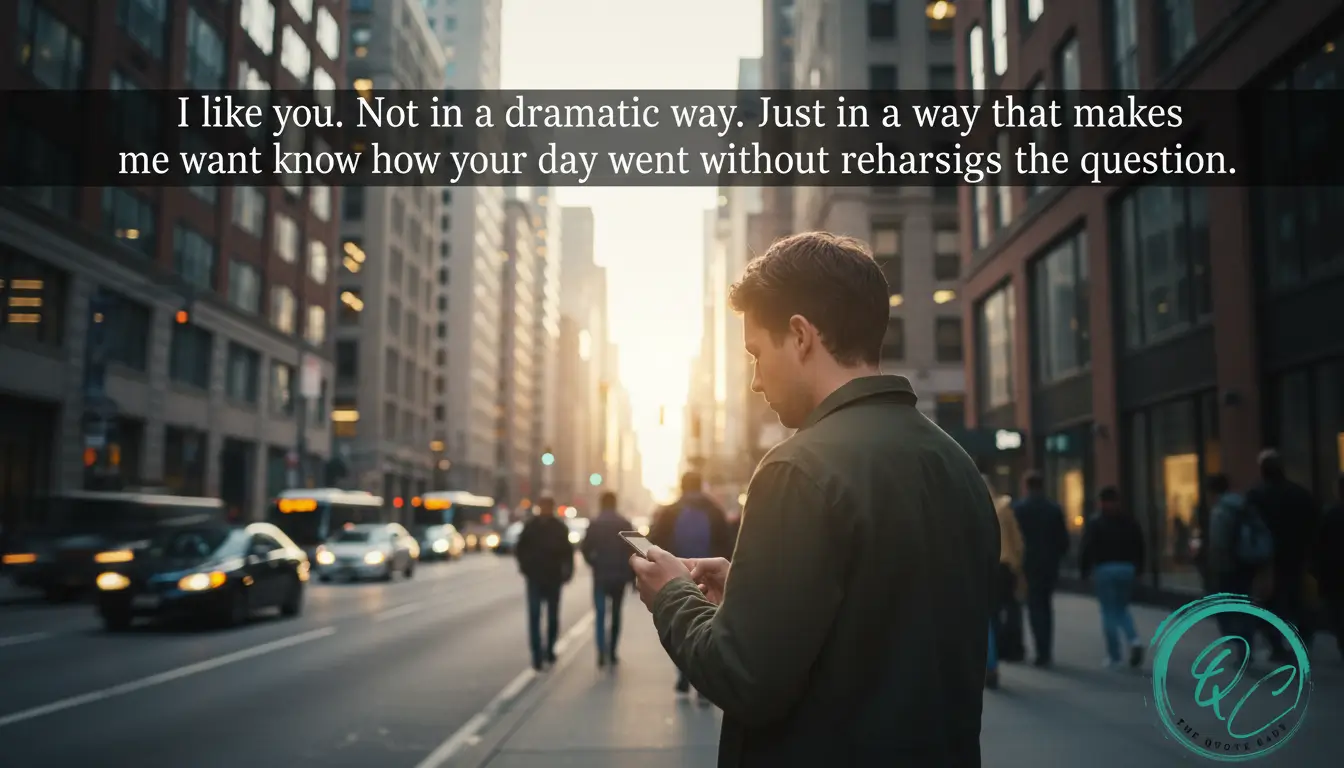
“I like you. Not in a dramatic way. Just in a way that makes me want to know how your day went without rehearsing the question.” What does it confess? Quiet, everyday affection—not obsession, just attention.
“I wasn’t going to say anything. But then I realized—protecting my pride feels lonelier than risking a simple ‘I like you.'” What does it confess? Choosing honesty over ego—mature vulnerability.
“I don’t need an answer today. I just needed you to know that when I imagine a good thing, your face shows up uninvited.” What does it confess? Low-pressure honesty with no deadline for a reply.
“Liking you doesn’t feel heavy. It feels like a quiet yes I keep saying to myself every time you text back.” What does it confess? Joyful, not anxious—affection without weight.
“I like you more than I have a good reason for. And somehow, that’s the most honest thing I’ve said all year.” What does it confess? Admits irrationality as a form of truth, not weakness.
“This isn’t a love letter. It’s just me admitting that you’re the reason I double-check my phone and smile at nothing.” What does it confess? Small, daily proof of feelings—not grand gestures.
“I like you. Not because you’re perfect. But because being around you makes me forget to be perfect too.” What does it confess? Safety, not admiration—comfort over performance.
“I’m not asking to be your person. I’m just asking you to know that you’ve accidentally become mine in my head.” What does it confess? Honest attachment without entitlement.
“I tried not to like you. It didn’t work. So here I am—being bad at pretending.” What does it confess? Surrender with a smile—light, not tragic.
“I don’t want to rush anything. I just wanted to stop pretending I don’t light up when your name appears on my screen.” What does it confess? Excitement framed as honesty, not pressure.
“Liking you feels less like falling and more like finally standing somewhere comfortable.”What does it confess? Stability, not chaos—mature affection.
“I’m not saying this to change anything between us. I’m saying it because carrying it alone started to feel heavier than sharing it.” What does it confess? Confession as relief, not transaction.
“I like you. And I don’t need you to feel the same. I just needed to stop editing myself around you.” What does it confess? Authenticity over outcome—self-respect included.
“You make silence easy. You make awkward conversations worth it. And yeah—I like you. That’s all.” What does it confess? Specific, small reasons—not vague poetry.
“I don’t know what this is yet. But I know it’s real enough to say out loud. So here it is: I like you.” What does it confess? Honest uncertainty paired with courage.
How do I use these paragraphs for my crush?
I picked number 5—”I like you more than I have a good reason for…” —because it matched exactly how I felt. I didn’t send it late at night or after overthinking. I sent it on a random Tuesday afternoon, with no follow-up text after. Just the paragraph, then my phone face down for an hour.
She replied six hours later: “You have no idea how long I’ve waited for you to say something that honest.”
We went for coffee the next day. No awkwardness. No pressure. Just two people are finally being honest.
That’s what these paragraphs are for—not to perform, but to finally stop performing.
Want to send a little positivity to your friends each morning? Discover our uplifting collection of
inspiring good morning texts for friends
and make every day start with a smile and good vibes.
5. Goodnight Paragraphs For Your Crush
A goodnight paragraph is not the end of your conversation. But it’s about telling someone that you care about them 24/7. The following paragraphs are crafted to prove it.
“I’m putting my phone down now. But my thoughts haven’t gotten the memo—they’re still with you.” How does it say goodnight? Honest about distraction without demanding their attention back.
“Goodnight doesn’t mean goodbye. It just means I’ll keep liking you tomorrow, quietly, like I did today.” How does it say goodnight? Consistency over intensity—reassuring and steady.
“Sleep isn’t my favorite thing. But knowing you’re somewhere in the world, also resting, makes it feel less lonely.” How does it say goodnight? Shared vulnerability without over-attachment.
“I hope your dreams are boring. Because boring means peaceful—and you deserve peaceful more than you deserve exciting.” How does it say goodnight? Reframes “exciting” as stress—wishes for calm instead.
“Today was fine. But the last thought I’m keeping from it is you—and that’s the best part.” How does it say goodnight? Ends the day with intentional, soft focus on them.
“I don’t need to be the last thing on your mind. I just hope I’m not a heavy one.” How does it say goodnight? Gentle, low-pressure—cares about their peace, not their obsession.
“My brain is finally slowing down. And guess who it keeps circling back to? Yeah. You.” How does it say goodnight? Playful honesty—sleepy and real.
“Goodnight. Not because I’m done thinking about you. But because I want you to rest without feeling watched.” How does it say goodnight? Respectful distance wrapped in warmth.
“I don’t know what you’re worried about. But tonight, for a few hours, I hope you forget all of it—including me, if that helps.” How does it say goodnight? Selfless care—prioritizes their rest over your presence.
“The world is about to get quiet. And honestly? That feels right—because my loudest thoughts today were all about you.” How does it say goodnight? Contrast between external silence and internal focus—tender.
“I’m not saying goodnight because I’m tired of you. I’m saying it because I want you to sleep like someone who’s cared for.” How does it say goodnight? Redefines “goodnight” as an act of care, not an ending.
“Close your eyes. I’ll still be here tomorrow—same person, same quiet honesty.” How does it say goodnight? Promises consistency without pressure.
“Today didn’t ask much of me. But what little energy I had? You got the best of it.” How does it say goodnight? Sweet confession of priority—low drama, high meaning.
“I almost didn’t text. Then I thought—what if they fall asleep thinking no one noticed them today? So here I am.” How does it say goodnight? Shows up as reassurance, not romance—pure kindness.
“Goodnight. Don’t overthink today. Don’t rehearse tomorrow. Just sleep. I’ll like you in the morning too.” How does it say goodnight? Permission to rest—removes performance pressure entirely.
Want to express your love in the most heartfelt way? Discover our emotional collection of
deep romantic love poems
and make every word feel personal, meaningful, and unforgettable.
6. Paragraphs For Your Crush About How You Feel
Telling someone how you feel is about naming everything, even small and true. The following paragraphs are crafted to convey the truth.
“You’re not my distraction. You’re my focus—the kind I didn’t ask for but somehow trust.” How does it tell how you feel? Reveals that they feel like clarity, not chaos.
“I don’t feel butterflies. I feel something quieter—like my body decided you were safe before my brain caught up.” How does it tell how you feel? Describes affection as calm safety, not nervous excitement.
“Liking you doesn’t feel new anymore. It feels like a habit I’m happy to keep.” How does it tell how you feel? Shows comfort and longevity—not obsession, just consistency.
“You make me want to be honest—not impressive. That’s how I know this is different.” How does it tell how you feel? Reveals emotional safety and authenticity around them.
“I don’t replay our conversations to analyze them. I replay them because your voice settles something in me.” How does it tell how you feel? Shows they bring peace, not anxiety.
“Being around you doesn’t drain me. That’s rare. That’s how I know I actually like you.” How does it tell how you feel? Uses energy as a metric—honest and grounded.
“I don’t need you to feel the same. I just needed to stop pretending I don’t feel lighter when you’re near.” How does it tell how you feel? Honest about impact without demanding reciprocity.
“You’re not the main character of my story. You’re the footnote I keep wanting to add to every chapter.” How does it tell how you feel? Sweetly understated—presence without pressure.
“I like how un-special our ordinary moments feel. That’s how I know it’s real—nothing is performative.” How does it tell how you feel? Values authenticity over excitement—mature affection.
“You don’t complete me. You just make my incomplete feel less like a problem.” How does it tell how you feel? Healthy attachment—warm but not codependent.
“I feel more like myself when you’re around. Not a better version. Just a less edited one.” How does it tell how you feel? Shows emotional freedom and trust.
“I don’t think about you every second. But when I do, it’s never heavy—it’s just honest.” How does it tell how you feel? Refutes obsessive love tropes—realistic and refreshing.
“You’re not my escape. You’re my ‘stay’—the reason I don’t need to run from how I feel.” How does it tell how you feel? Deep emotional anchoring without drama.
“I like you the way I like silence after noise—not because it’s exciting, but because it finally feels right.” How does it tell how you feel? Uses sensory contrast—memorable and grounded.
“I don’t know what this is. But I know it’s nothing. And that’s enough for me right now.” How does it tell how you feel? Comfortable with uncertainty—emotionally intelligent patience.
Want to kick off Thursday with positive vibes? Explore our inspiring collection of
motivational good morning Thursday
and bring a fresh boost of happiness, focus, and optimism.
7. Cute Notes to Write to Your Crush (Physical & Digital)
If a note is long, there is no guarantee that it will be remembered. It makes me feel like the moment has paused with everything else.
“I saw something small today. It wasn’t you. But it made me think of you anyway. That’s happening a lot lately.” What can this note do? Makes them feel present in your daily life—without being overwhelming.
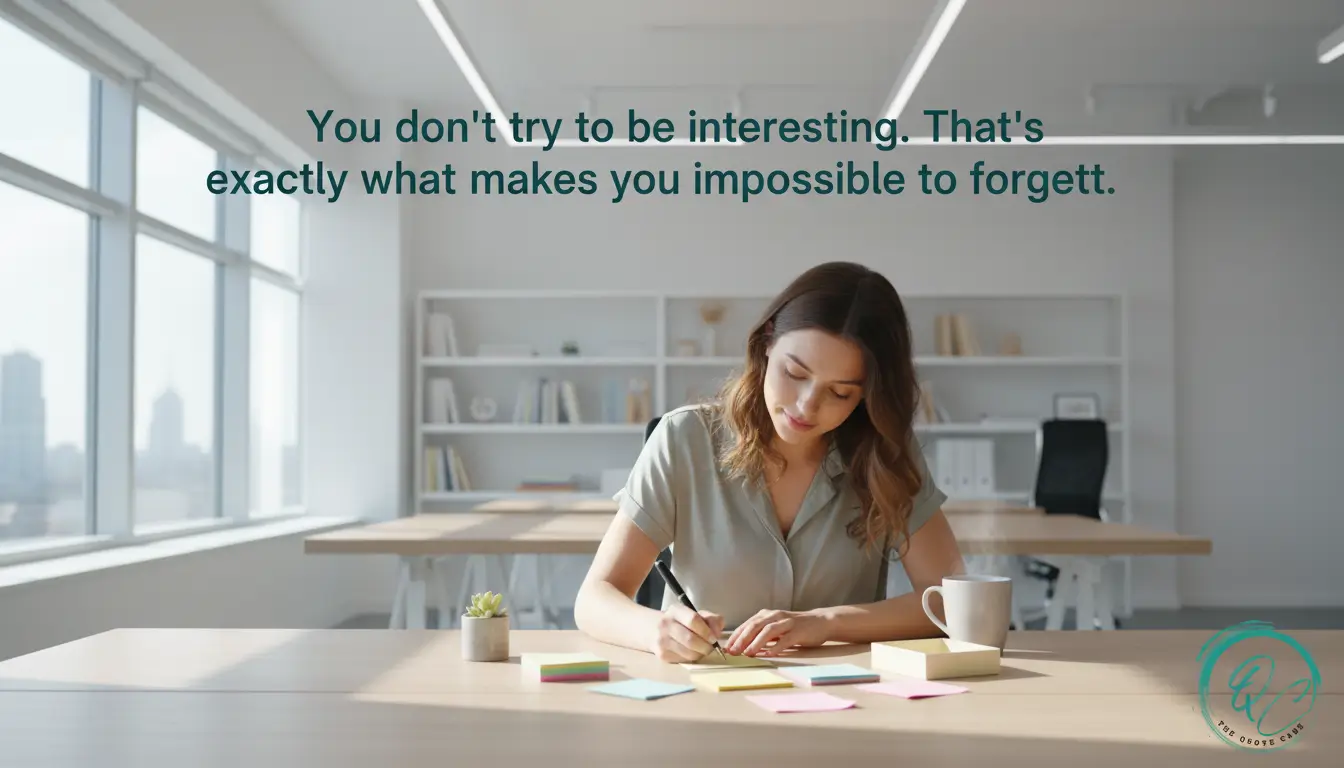
“You don’t try to be interesting. That’s exactly what makes you impossible to forget.” What can this note do? Compliments their natural self—builds quiet confidence.
“I don’t need your attention. But I wanted you to know you accidentally have mine.” What can this note do? Flirts with honesty—no pressure, just presence.
“You’re not my type. You’re my exception. And exceptions are way more interesting.” What can this note do? Signals uniqueness—makes them feel chosen, not categorized.
“I almost didn’t write this. Then I realized—some people are worth a little awkward honesty.” What can this note do? Shows courage—makes them feel valued beyond perfection.
“You have this quiet way of making ordinary moments feel slightly important. I don’t know how you do it. But I notice.” What can this note do? Validates their subtle impact—deeply affirming.
“I’m not good at small talk. But with you, silence doesn’t feel like failure.” What can this note do? Offers emotional safety—reassures without flattery.
“You don’t have to reply. I just wanted you to find this and smile—even if you never tell me you did.” What can this note do? Creates a private, low-stakes moment—purely kind.
“I like that you don’t perform for anyone. It makes your real moments feel like gifts.” What can this note do? Praises authenticity—builds trust without asking for anything.
“You’re the reason I double-check my phone. Not because I expect a text—but because I hope.” What can this note do? Honest about hope—sweet without being desperate.
“I don’t know what you’re insecure about. But whatever it is, I probably haven’t noticed it. I’ve been looking at other things.” What can this note do? Redirects attention to strengths—gentle and uplifting.
“You make me want to be brave in small ways. Like writing this. Like handing it to you.” What can this note do? Shares vulnerability—makes them feel like a source of courage.
“You’re not loud about being kind. That’s how I know it’s real.” What can this note do? Recognizes quiet goodness—deeply validating.
“I don’t need to be your favorite person. I just wanted to be someone who noticed you today.” What can this note do? Low-pressure affection—makes them feel seen without expectation.
“This is not a love letter. It’s just proof that you crossed my mind and I didn’t shoo you away.” What can this note do? Playful honesty—memorable and disarming.
8. Deep Emotional Paragraphs for My Crush
Deep feelings are those that no one can hear. They settle into the corners quietly and honestly. The following paragraphs are to say that you are never able to.
“I don’t want to fix you. I just want to sit beside whatever you’re carrying—without asking you to make it lighter for me.” What’s deep about it? Offers presence without the pressure to perform healing.
“You’re not my peace. You’re my pause—the moment I stop performing and just exist.” What’s deep about it? Distinguishes between escapism and genuine rest.
“I think about your younger self sometimes. Not with pity. With quiet respect for whoever taught you to hide your soft parts.” What’s deep about it? Sees beyond the present version—emotionally perceptive.
“I don’t need you to be okay. I just need you to stop pretending when you’re not—at least with me.” What’s deep about it? Invites authenticity over performance—rare emotional safety.
“You’ve probably been let down by people who said they’d stay. I can’t promise perfection. But I can promise honest—even when it’s hard.” What’s deep about it? Acknowledges past wounds without exploiting them.
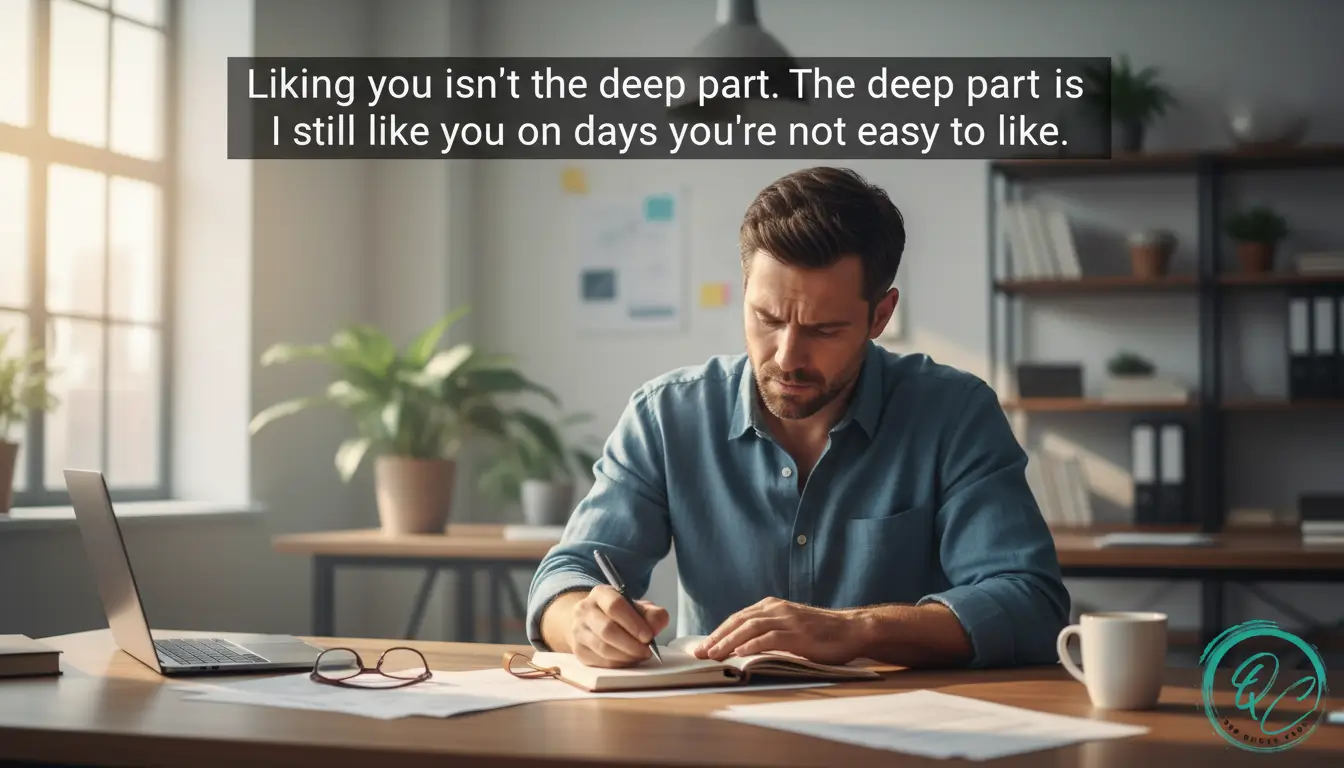
“Liking you isn’t the deep part. The deep part is that I still like you on days you’re not easy to like.” What’s deep about it? Chooses consistency over fleeting emotion.
“You don’t have to earn my attention by being impressive. You already have it by being real.” What’s deep about it? Removes performance pressure—loves the unpolished version.
“I don’t know all your scars. But I know they didn’t make you cold—they made you careful. And I respect careful.” What’s deep about it? Reframes guardedness as wisdom, not damage.
“You’re not a project. You’re not a lesson. You’re just someone I want to understand—not to save, but to see.” What’s deep about it? Rejects savior complex—offers witness, not rescue.
“I don’t need your best days. I just need your real ones—the messy, quiet, tired ones where you’re not trying to be liked.” What’s deep about it? Values vulnerability over performance—rare and mature.
“You’ve probably been told you’re ‘too much’ or ‘not enough.’ I don’t believe either. I just believe you’re here—and that’s plenty.” What’s deep about it? Dismantles shame around being imperfect.
“I’m not afraid of your silence. I’m afraid of the version of you that smiles when something is actually wrong.” What’s deep about it? Sees through masks—cares about hidden pain.
“You don’t have to explain your walls. I’ll just knock gently and wait—no deadline, no disappointment.” What’s deep about it? Patience without pressure—unconditional regard.
“The deepest thing I feel for you isn’t excitement. It’s relief. Like I finally stopped holding my breath around someone.” What’s deep about it? Prioritizes emotional safety over romantic intensity.
“I don’t love the idea of you. I love the version that forgets to be perfect—the one that yawns, overthink, and stays quiet when words feel too heavy.” What’s deep about it? Chooses flawed reality over fantasy—genuine intimacy.
Conclusion
After years of practice, I have learned that these paragraphs are a powerful tool. They are perfect for building connections and attraction. Only one thoughtful message can brighten her morning.
Make her smile and evoke positive energy that lasts throughout the day. When your message is original and feels natural. It will create a genuine emotional impact and strengthen your bond.
FAQ’s: (Frequently Ask Questions)!
What can a love paragraph say about a significant other?
It can say you notice their small habits, respect their quiet struggles, and choose their real version over a fantasy—without needing perfection.
How long should a confession paragraph be?
Three to five honest sentences work best. Long enough to feel real, short enough to not overwhelm. Quality over quantity always wins.
What if they don’t reply immediately?
Give them space. Silence doesn’t mean rejection—it might mean processing. Don’t double text. Let honesty breathe on its own.
Is it better to confess over text or in person?
Text is safer for nervous people; in person feels braver. Choose what lets you speak honestly without freezing. Both work when words are real.
What is a good paragraph for your crush?
A good paragraph is honest, not perfect. It notices something specific about them and admits how you feel without demanding an answer back.