I have written professional and semi-formal communication for years. I know how the opening of an email sets the rhythm. A friendly greeting, like I hope life is treating you well is not a decoration. A positive tone and a respectful tone make the recipient feel respected.
Such a warm and thoughtful expression has always struck me. It conveys real, genuine goodwill while staying within limits. That’s why I have crafted a set of alternative expressions. I have found them helpful over time.
A small shift in language allows you to remain professional. While people feel respected before they even finish.
1. Formal Ways to Say “I Hope Life Is Treating You Well.”
Asking someone about how life is treating him feels formal. But in times of hardship, a language that is both respectful and caring is very important. The following words are genuine alternatives to honor the distance while closing the gap.
I trust this season is finding you in good stead and gentle company. How it impacts someone’s life: It conveys confidence in their resilience while wishing for softness, a rare and comforting combination.
May the weight you carry be balanced by moments of unexpected ease. How it impacts someone’s life: It acknowledges struggle without prying, offering solidarity wrapped in dignity.
I hope the days have been leaving you with more light than burden. How it impacts someone’s life: It reframes their experience as something that can be measured in emotional truth, not just surface happiness.
Whatever has crossed your path lately, may it have left you more whole than worn. How it impacts someone’s life: It validates that hardship can coexist with wholeness, permitting complexity.
I wish for you a rhythm of work and rest that feels sustainable, not sacrificial. How it impacts someone’s life: It speaks directly to burnout culture, affirming that success shouldn’t cost a person their peace.
May the quiet moments of your days offer more restoration than noise. How it impacts someone’s life: It elevates stillness as a gift, inviting the recipient to notice what they may have been overlooking.
I hope life has been treating you with the same care you extend to others. How it impacts someone’s life: It mirrors their own kindness back at them, validating their worthiness of the same.
May your recent path have been lined with more clarity than confusion. How it impacts someone’s life: It names a common hidden struggle—confusion—and wishes it away with elegance.
I trust you’ve been met with patience in places where you needed it most. How it impacts someone’s life: It acknowledges that everyone has unseen needs and that being met kindly changes everything.
May the last several weeks have taught you gently, not harshly. How it impacts someone’s life: It reframes learning as something that doesn’t require pain, offering a softer lens on recent experience.
I hope the days have unfolded in a way that let you breathe when you needed to. How it impacts someone’s life: It gives permission for rest as a legitimate need, not a failure of productivity.
May your struggles have come with companions, not just silence. How it impacts someone’s life: It normalizes the need for support and wishes against isolation, a quiet but powerful kindness.
I wish for you that the hard moments pass quickly and the good ones linger. How it impacts someone’s life: It puts language to what everyone secretly wants—for pain to be short and joy to overstay.
May life’s treatment of you have reflected your own quiet dignity into your hands. How it impacts someone’s life: It affirms that the recipient is worthy of respectful treatment, not as a wish but as a mirror.
I trust you are emerging from recent days with your center still intact. How it impacts someone’s life: It acknowledges that holding one’s core self together through difficulty is a quiet victory worth naming.
💕 Want romantic words that help you express deep emotions and make her feel genuinely loved and appreciated? Discover
love messages to make her fall in love
to create stronger emotional connection, spark affection, and make every heartfelt message feel unforgettable.
2. Short Messages to Say “Hope Life Is Treating You Well.”
The most powerful thing someone can offer or someone needs is not a solution but simple advice. A quiet reminder that they matter and can be seen. These short messages are crafted for impact, memorability, and human resonance.
“A small message can be a quiet anchor in someone’s storm.” Impact: This reminds us that we don’t need grand gestures to be someone’s calm. A simple check-in can ground a person who feels adrift.
“The spaces between our words are where care actually lives.” Impact: Encourages people to look beyond the surface of “how are you” and realize that intentional silence and genuine presence convey more than sentences ever could.
“You don’t need their full story to let them know they’re not alone in it.” Impact: Removes the pressure to fix or fully understand someone’s pain. It validates that companionship matters more than comprehension.
“Some days, being remembered is the most healing thing that can happen to a person.” Impact: Speaks to the deep human fear of being forgotten. A short message is evidence that someone holds space for you in their thoughts.
“A ‘thinking of you’ text is a lighthouse that costs nothing to send.” Impact: Reframes a simple message as a guiding light. It emphasizes that small acts of connection can cut through someone’s darkness without any material expense.
“Hope isn’t always spoken in paragraphs; sometimes it’s just a few words that refuse to let go.” Impact: Empowers the reader to speak up even when they don’t have eloquent speeches. Brevity can still grip a heart and pull it back toward light.
“Real connection isn’t measured by reply speed, but by the weight of the silence it breaks.” Impact: Frees people from the anxiety of instant replies. It’s not about how fast you respond, but the courage it takes to reach into someone’s quiet world.
“Before you assume they’re fine, remember that strength is often the loudest mask.” Impact: A grounded call to action against assumptions. It encourages checking in on the “strong” ones who rarely ask for help.
“The right words at the wrong time still land; the absence of words never does.” Impact: Tackles the fear of “awkward timing.” Imperfect outreach is always better than perfect silence, because silence teaches people they’re alone.
“Your message might be the only proof they get today that the world hasn’t walked away.” Impact: A sobering perspective on loneliness. It positions a simple check-in as vital proof of belonging in an indifferent world.
“We underestimate how much of survival is just someone making us feel seen.” Impact: Strips well-being down to its emotional core. Beyond food and shelter, visibility is a profound human need.
“Don’t wait for an occasion to be kind in words; the ordinary days need it most.” Impact: Challenges the “special occasion” mindset. The random Tuesday when nothing is wrong but nothing feels right is the perfect moment for a message.
“A message sent in sincerity is never an interruption; it’s a soft hand on a tired shoulder.” Impact: Eradicates the guilt of “bothering” someone. It reframes genuine outreach as comfort, not intrusion.
“The distance between two people collapses the moment one of them says, ‘I thought of you today.’” Impact: A poetic truth about intimacy. Physical or emotional distance dissolves when vulnerability takes the lead.
“You can’t solve their battles, but you can make sure they don’t fight them feeling invisible.” Impact: Releases the pressure of being a savior while elevating the power of being a witness. Solidarity is the antidote to invisibility.
💵 Want thoughtful words that express genuine gratitude after receiving financial help, support, or a cash gift? Discover
meaningful thank-you-for-the-money messages
to make your gratitude feel sincere, respectful, and memorable in both personal and professional situations.
3. Other Ways To Say Hope Life is Treating You Right
The phrase or sentences we use in our daily life loses their warmth. These other ways are not about vocabulary but the words that actually land on someone’s heart with sincerity. These words are to refresh our care and genuine human impact.
“A recycled phrase carries comfort, but a fresh one carries intention.” How this brings change: When you intentionally choose different words, the recipient feels the effort. That effort transforms a polite reflex into a personal gift.
“The words you choose are the difference between a wave from a distance and a hand on their shoulder.” How this brings change: Generic check-ins can feel detached. Thoughtful alternatives close the emotional gap and make presence tangible.
“When you change how you ask, you change what they’re willing to share.” How this brings change: “Hope life’s treating you right” can be answered with “fine.” A fresher, more specific question gently unlocks honesty and deeper conversation.
“Curiosity in your phrasing is an invitation; routine is a closed door.” How this brings change: Unique wording signals genuine interest. It tells the other person it’s safe to move past scripted replies into real feelings.
“Language can be a warm room or a cold hallway—choose to lead them inside.” How this brings change: A tired saying leaves someone in the corridor of politeness. An original expression opens the door to true connection and warmth.
“We don’t just need better words; we need words that sound like us caring out loud.” How this brings change: Authentic phrasing makes your care audible. It shifts a message from something sent to something truly communicated.
“There’s a soft rebellion in refusing to speak in emotional autopilot.” How this brings change: Choosing presence over habit challenges a culture of distracted communication. It reclaims sincerity as a deliberate act.
“Every alternative phrase you reach for is a tiny refusal to let distance win.” How this brings change: Effort in language pushes back against drifting apart. It’s a quiet insistence that the bond matters enough to fight for, word by word.
“Old sayings are echoes; new expressions are a voice that’s still here, still trying.” How this brings change: Echoes are passive. A fresh voice signals active participation in the relationship, a present-tense commitment rather than a nostalgic nod.
“When your words surprise them, your affection is remembered. Predictable talk evaporates.” How this brings change: Predictability fades into background noise. Unexpected, honest phrasing makes your care stick in their memory long after the message is read.
“The mouth repeats clichés; the heart invents language. Let your heart do the talking.” How this brings change: This shift moves communication from the mechanical mind to the feeling heart. It bridges the gap between sounding human and being human.
“A new way of asking ‘are you okay?’ can be the key that finally unlocks a long-silent wound.” How this brings change: People build walls against familiar questions that have failed them before. A novel approach can slip past defenses and reach the pain that needs air.
“Don’t just update your software—update your soul’s vocabulary. People can feel the difference.” How this brings change: We refresh everything else in life. Refreshing how we express care keeps relationships current, alive, and perceptive to change.
“Speaking originally to someone is proof they’re worth the mental energy, not just a forwarded emotion.” How this brings change: It moves the recipient from “one of many” to “one who matters.” The effort telegraphs value in a way recycled lines never can.
“The question you’ve never heard before is the one that makes you stop, breathe, and finally answer honestly.” How this brings change: Breaking the script bypasses autopilot. It gives the other person a pause where they can check in with themselves genuinely, often for the first time that day.
🎄 Want professional holiday words that show gratitude, respect, and appreciation for your workplace leader? Explore
thoughtful Christmas messages for your boss
to make your seasonal greetings feel warm, respectful, and memorable while strengthening workplace relationships.
4. Alternative Ways of Saying “Hope Life is Treating You Well.”
There is a big number of people who want to hear hope life is treating you well. These alternative ways are from small talk to soul talk. They honor the art of rewriting the warmth.
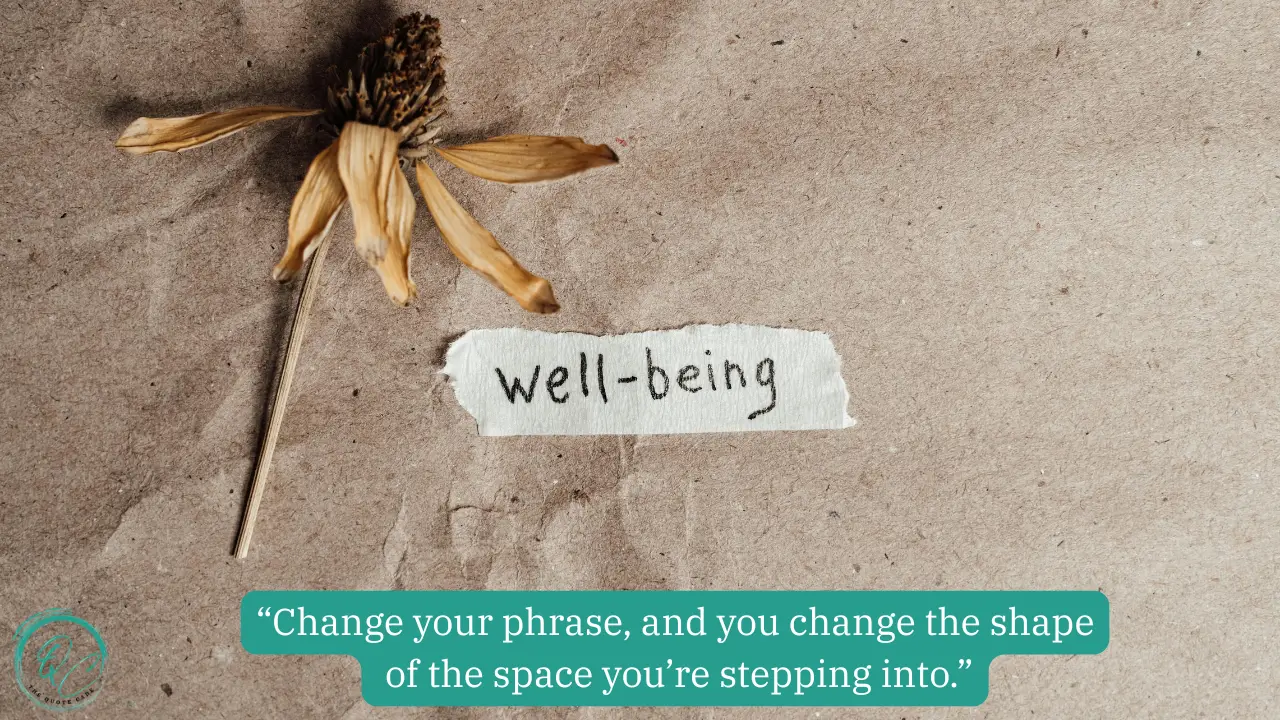
“Change your phrase, and you change the shape of the space you’re stepping into.” Why it’s a game changer: A standard greeting enters a predictable, shallow space. A fresh phrase creates room for something real to unfold—an answer that isn’t scripted.
“A familiar line skims the surface. A reimagined one dares to dive.” Why it’s a game changer: Most communication stays safely on the surface. Alternative wording signals you’re not afraid of depth, and that permission is contagious.
“Words someone’s never heard before feel like a gift they didn’t know they needed.” Why it’s a game changer: Originality lands differently in the brain. It shifts a message from background noise to a memorable moment of being truly noticed.
“The effort of rewriting your card is the difference between a mass-produced card and a handwritten letter.” Why it’s a game changer: One says, You’ree on my list.” The other says, You’ree on my mind.” The recipient can feel the emotional handwriting, even through a screen.
“Familiarity in language often breeds invisibility. Break the pattern, and suddenly you’re seen.” Why it’s a game changer: People scroll past habitual phrases. An alternative stops thumbs and opens eyes, because the brain wakes up to something it can’t autocorrect.
“There’s a profound bravery in refusing to let your mouth say what your heart hasn’t checked first.” Why it’s a game-changer: Auto-filled messages bypass the heart. Pausing to rephrase is an act of emotional integrity, and integrity is magnetic.
“Different words don’t just decorate a sentiment—they define whether it actually arrives.” Why it’s a game changer: A sentiment can be sincere yet undelivered if wrapped in tired language. The right alternative ensures the care you pack actually gets unpacked.
“A reworded question is a reset button for a stalled conversation.” Why it’s a game changer: Stale phrases trigger stale replies. A fresh alternative restarts the connection, allowing both people to show up as they are today, not last year.
“The right alternative can turn a monologue of suffering into a dialogue of healing.” Why it’s a game changer: “Hope you’re well” can shut down honesty with politeness. A more targeted, tender phrase invites a hurting person to speak instead of perform.
“Speaking originally is the highest form of presence. It announces: I’m here, not just my autopilot.” Why it’s a game changer: Presence is the rarest gift in a distracted age. Authentic phrasing proves your mind hasn’t left the building; you’re fully with them.
“If you want an honest answer, stop asking a worn-out question.”Why it’s a game changer: We wonder why responses are superficial while feeding the same surface-level prompts. A game-changing phrase unlocks the vulnerability standard questions guard.
“People remember how your words made them feel, not how grammatically perfect they were.” Why it’s a game changer: Imperfect but original phrasing feels human and safe. It lowers the pressure for a perfect reply and replaces it with emotional honesty.
“Alternatives are not synonyms; they are doors to different rooms in someone’s heart.” Why it’s a game changer: One question leads to the living room of small talk. Another opens the quiet, back-room place where fears, hopes, and truths are kept.
“Using a different expression is like choosing to knock instead of walking past a closed door.” Why it’s a game changer: The usual phrase often walks by mentally. A fresh one stops, knocks gently, and waits—permitting the person to open up.
“You hold a strange superpower: the ability to rewrite someone’s inner monologue with a single, unexpected sentence.” Why it’s a game changer: After the chat ends, your words remain. A fresh, heartfelt alternative can echo longer in someone’s mind than the most famous quote ever could.
💼 Conclusion
A warm greeting may feel small. But it can establish a ground before the conversation starts. That’s why a simple-looking “hope life is treating you well” is such a thoughtful phrase.
It makes the care feel more natural and sincere. These alternative ways help keep the rhythm positive and communication respectful for everyone. You will notice that replies become warmer, more open, and more engaging over time. This makes every conversation feel both professional and personal.
FAQ’s About Hope Life Is Treating You Well!
Q1. How do you say life is treating you well?
You can say “I hope life’s been kind to you lately,” “I trust things are falling into place on your end,” or simply “How’s your world been turning?”—each carries genuine warmth without sounding rehearsed or hollow.
Q2. What’s an alternative to saying “I hope you’re doing well”?
Try “I’ve been thinking about you—how are you really?” or “What’s one good thing that’s happened for you recently?”—alternatives that invite an honest answer instead of the automatic “I’m fine, thanks.”
Q3. How to respond to “How’s life been treating you?”
A grounded reply could be “It’s been teaching me a lot lately—some lessons gentle, some not so much. How about you?” which honors the question without performing false positivity or diving into heavy detail uninvited.
Q4. What is a powerful quote for hope?
“Hope doesn’t need proof to keep walking—it only needs one small reason to stay.” This speaks to hope’s quiet resilience, thriving not on certainty but on the smallest thread of possibility that refuses to snap.
Q5. Why is hope a powerful word?
Hope is powerful because it doesn’t promise outcomes—it promises endurance. It’s the word that keeps people moving through uncertainty, the emotional architecture that holds when logic runs out, and the path ahead stays dark.